


Patient discussing cancer screening options with Dr. Farag at RegalMed Clinic Fort Myers

Cancer Prevention & Early Detection in Fort Myers, FL

Take Control of Your Health Future

Your Cancer Prevention & Early Detection at a glance:

Common In:Adults 45+
Primary Causes:Aging, Genetics, Lifestyle
Treatment Time:Simple blood draw
Results:10-14 business days
Understanding multi-cancer early detection testing at RegalMed Clinic

What Is Multi-Cancer Early Detection?

Recognizing the Signs

Multi-cancer early detection (MCED) represents a paradigm shift in preventive medicine—moving from single-organ screening to comprehensive blood-based testing that can identify signals from over 50 types of cancer, many of which have no recommended screening today. These tests detect cell-free DNA and methylation patterns shed by tumors into the bloodstream, often before symptoms appear.

When you consider that standard screening catches only five cancer types—breast, cervical, colon, lung, and prostate—you realize the vast majority of cancers have no routine screening method. Many patients are diagnosed only after symptoms develop, when the disease has already progressed to a later stage with significantly lower survival rates.

The anxiety of "not knowing" weighs heavily on health-conscious individuals, especially those with family history of cancer. Multi-cancer screening offers a proactive pathway that transforms uncertainty into actionable information, giving you and your physician the opportunity to detect and address potential concerns at their earliest, most treatable stage.

Illustration of DNA damage and cellular repair mechanisms at RegalMed Clinic Fort Myers

Why Cancer Develops

Understanding the Root Causes

Cancer begins at the cellular level when DNA damage accumulates beyond the cell's repair capacity. The human body produces approximately 3.8 million new cells per minute, and each cell division carries a small risk of replication errors. Over a lifetime, these errors accumulate—which is why cancer risk increases significantly with age, with approximately 60% of all cancers diagnosed in patients over 65.

Tumor suppressor genes like TP53 and BRCA1/2 normally detect and repair DNA damage or trigger programmed cell death (apoptosis) when damage is irreparable. Mutations in these protective genes—whether inherited or acquired—disable the body's quality control system, allowing damaged cells to replicate unchecked and eventually form tumors.

Telomere biology provides another window into cancer risk. Telomeres—protective caps on chromosome ends—shorten with each cell division. Critically shortened telomeres cause genomic instability, a hallmark of cancer development. Telomere length analysis can reveal accelerated biological aging that may correlate with increased cancer susceptibility.
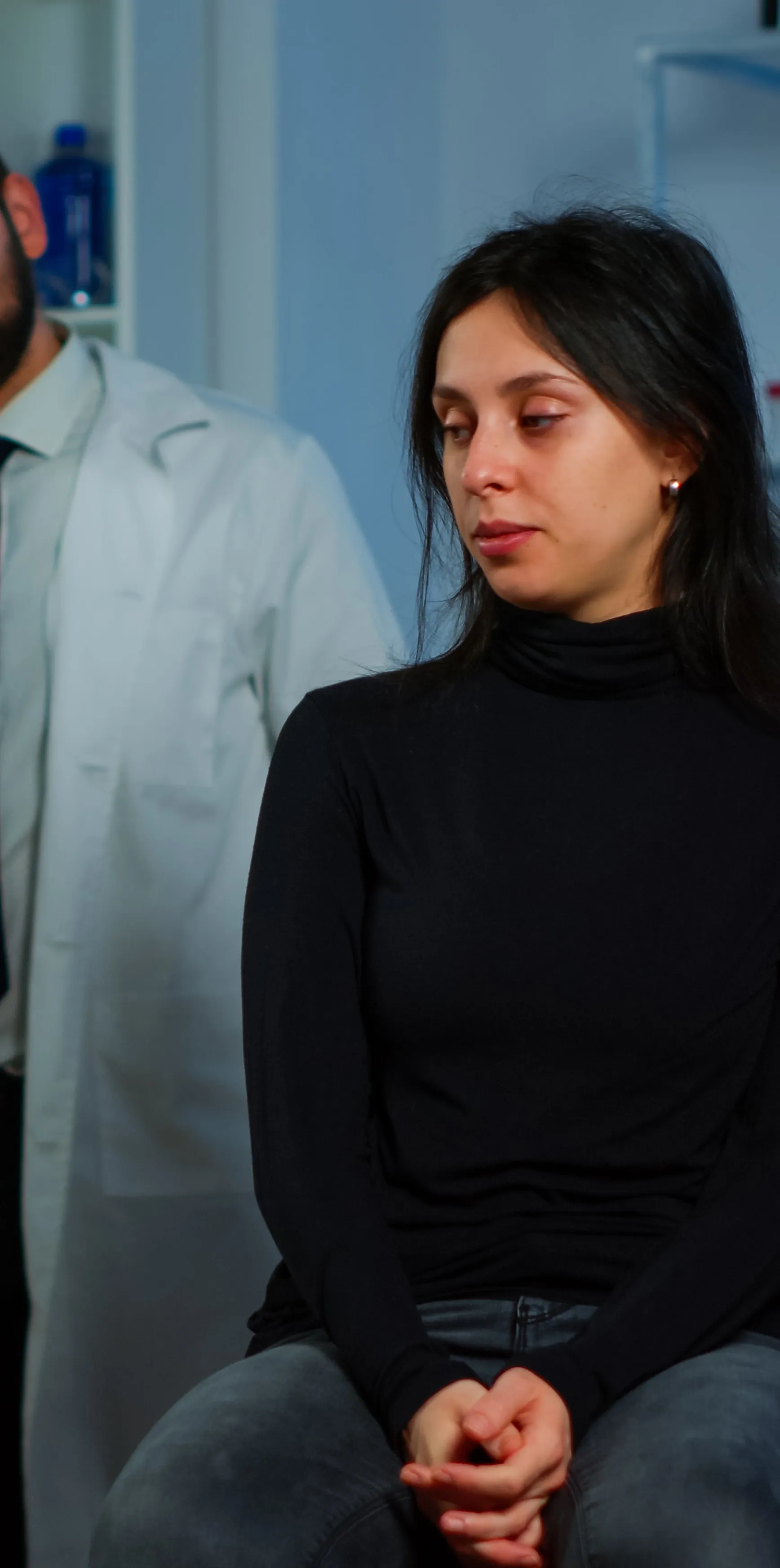
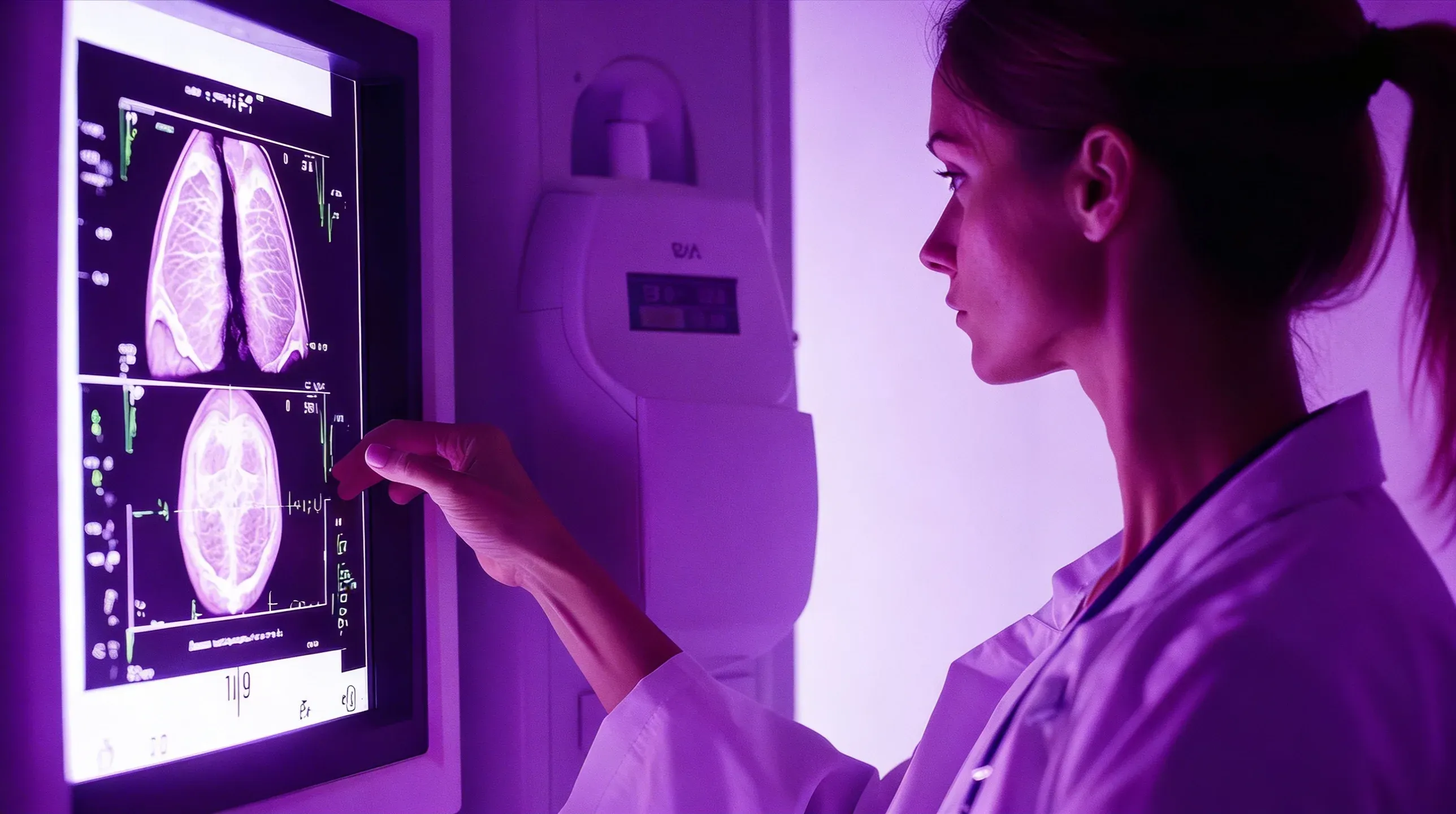
Diagram showing cell-free DNA detection process at RegalMed Clinic

Cell-Free DNA & Cancer Signals

How Blood Tests Detect Cancer Early

Cell-free DNA (cfDNA) consists of short DNA fragments released into the bloodstream when cells die—a normal process in all tissues. However, cancer cells release cfDNA with distinct methylation patterns that differ from healthy tissue. The Galleri test analyzes these methylation signatures using machine learning algorithms trained on data from thousands of cancer and non-cancer samples to identify a cancer signal with high specificity.

The test's ability to detect a cancer signal origin (CSO) is particularly valuable. When a signal is detected, the test predicts which organ or tissue type is most likely affected, guiding clinicians toward targeted follow-up diagnostic imaging. Studies in the Annals of Oncology demonstrate that the Galleri test detects cancers across more than 50 types with a specificity of 99.5%, meaning false positives are exceedingly rare.

For patients in Fort Myers concerned about comprehensive cancer risk, combining the Galleri test with telomere length analysis provides a dual-pronged approach—screening for existing cancer signals while simultaneously assessing the cellular aging patterns that indicate future susceptibility.

Risk factors for cancer development at RegalMed Clinic Fort Myers

What Increases Cancer Risk?

Identifying Your Risk Factors

01

Age & Cell Division

Cancer risk increases with age as DNA replication errors accumulate over decades. Approximately 80% of cancers are diagnosed in patients over 55, making proactive screening essential.

02

Genetic Predisposition

Inherited mutations in tumor suppressor genes like BRCA1/2, TP53, and Lynch syndrome genes significantly increase lifetime cancer risk for specific cancer types.

03

Environmental Exposures

UV radiation, air pollution, occupational chemical exposure, and certain infections contribute to DNA damage that can initiate the cancer development process.

04

Lifestyle Factors

Tobacco use, excessive alcohol consumption, processed food diets, obesity, and chronic physical inactivity are associated with increased cancer risk across multiple organ systems.

05

Chronic Inflammation

Persistent inflammation from autoimmune conditions, chronic infections, or metabolic dysfunction creates an environment that promotes DNA damage and supports tumor growth.

RegalMed Clinic interior in Fort Myers Florida

Why Choose RegalMed Clinic

Expert Care in Fort Myers

  • Cutting-Edge Screening
  • Comprehensive Risk Assessment
  • Physician-Guided Results
  • Proactive Prevention Focus

Treatment Options Comparison

Finding Your Best Approach

Treatment Best For Session Time Results Timeline Maintenance
Galleri Multi-Cancer Early Detection Test Screening 50+ cancer types Simple blood draw 10-14 business days Annually recommended
Telomere Length Analysis Assessing biological aging Blood draw visit 2-3 weeks Annually
Patient considering proactive cancer screening at RegalMed Clinic Fort Myers

You May Benefit From Cancer Screening If...

Recognizing When to Be Proactive

  • Family Cancer History
  • Age Over 50
  • Health-Conscious Mindset
  • Unexplained Symptoms
  • Peace of Mind

Frequently Asked Questions

About Cancer Prevention

01 What is the Galleri test?

The Galleri test is a multi-cancer early detection blood test that analyzes cell-free DNA methylation patterns to detect signals from over 50 types of cancer, many of which have no other recommended screening. It requires only a simple blood draw and results are typically available within 10-14 business days.

02 How many cancers can the Galleri test detect?

The Galleri test can detect a shared cancer signal across more than 50 cancer types, including pancreatic, ovarian, liver, and stomach cancers that lack standard screening methods. When a signal is detected, the test also predicts the tissue of origin to guide follow-up evaluation.

03 Who should get screened for cancer?

The Galleri test is recommended for adults aged 50 and older, or those with elevated risk factors such as family history of cancer, prior cancer diagnosis, or known genetic predispositions. Dr. Farag can help determine whether multi-cancer screening is appropriate for your individual risk profile.

04 How often should I be tested for cancer?

Annual screening is generally recommended for the Galleri test, as cancer can develop between screening intervals. The test is intended to complement—not replace—standard recommended screenings such as mammography, colonoscopy, and lung CT for eligible patients.

05 What happens if the test detects a cancer signal?

If a signal is detected, Dr. Farag will discuss the results with you in detail and coordinate appropriate diagnostic follow-up, which may include imaging or referral to an oncologist. The test's high specificity (99.5%) means false positives are rare, and early detection significantly improves treatment outcomes.

06 Does the Galleri test replace standard cancer screenings?

No, the Galleri test is designed to complement existing screenings, not replace them. You should continue mammograms, colonoscopies, and other recommended screenings. The Galleri test adds a layer of detection for the many cancer types that standard screening cannot identify.

Location15750 New Hampshire Ct, STE D
Fort Myers, FL, 33908

Schedule Your Consultation

Scientific References